Casino game design is a complex process that involves understanding human psychology and behavior. As of 2026, players can enjoy a wide range of games at online casinos, such as those found at more information about the latest trends and technologies in the industry. The goal of casino game design is to create an engaging and entertaining experience for players, while also ensuring a profit for the casino. To achieve this, designers use various techniques, including music, sound effects, graphics, and social interactions, to create an emotional connection with players and keep them engaged.
The Evolution of Casino Game Design
The evolution of casino game design has been shaped by advances in technology and changes in player behavior. From mechanical slot machines to digital games, the industry has come a long way in terms of innovation and creativity. The introduction of online casinos has further expanded the reach of casino games, making them accessible to a wider audience.
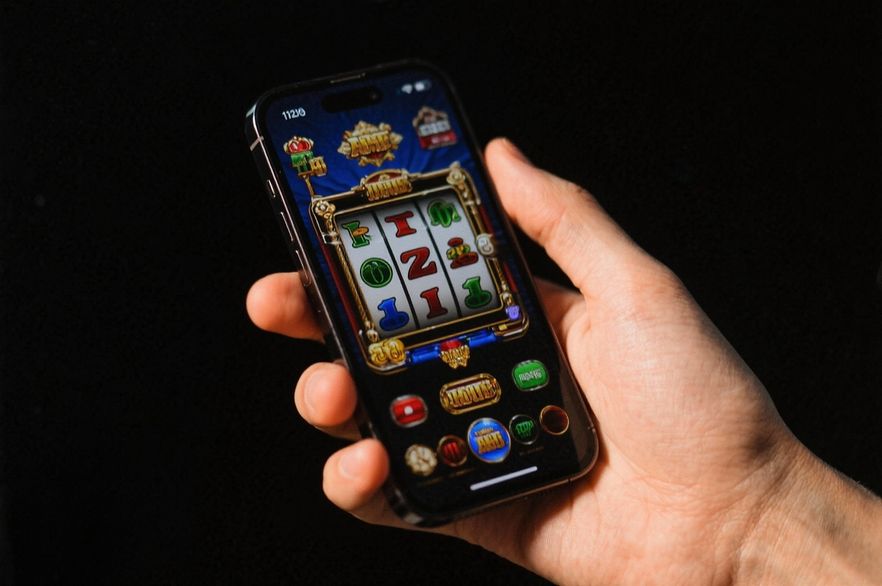
In the early days of casino gaming, mechanical slot machines were the norm. These machines used physical reels and levers to determine outcomes, and players had to pull a handle to spin the reels. With the advent of digital technology, slot machines became more sophisticated, using random number generators (RNGs) to determine outcomes. This marked a significant shift in the industry, as digital games offered more flexibility and variety than their mechanical counterparts.
From Mechanical to Digital: A Brief History of Casino Games
The transition from mechanical to digital casino games was a gradual process. The first digital slot machines were introduced in the 1970s, but it wasn’t until the 1990s that online casinos began to emerge. The rise of online gaming has been driven by advances in technology, including faster internet speeds, improved graphics, and more secure payment systems.
| Game Title | Game Provider | Release Date | Notable Features |
|---|---|---|---|
| Starburst | NetEnt | 2012 | Colorful graphics, wild symbols, and a high RTP |
| Gonzo’s Quest | NetEnt | 2010 | 3D graphics, free falls, and a unique theme |
| Mega Moolah | Microgaming | 2006 | Progressive jackpot, African safari theme, and a high RTP |
The Role of Psychology in Casino Game Design
Psychology plays a crucial role in casino game design. Designers use various techniques to create an emotional connection with players and keep them engaged. Music and sound effects, for example, can evoke emotions and create a sense of excitement or tension. Graphics and animations can also influence player behavior, with bright colors and fast-paced animations creating a sense of energy and urgency.
Creating an Emotional Connection: The Use of Music and Sound Effects
Music and sound effects are essential elements of casino game design. They can create a sense of atmosphere and mood, drawing players into the game and keeping them engaged. For example, a game with a jungle theme might use sounds of birds chirping and leaves rustling to create a sense of immersion. Similarly, a game with a sci-fi theme might use futuristic sound effects and a pulsating soundtrack to create a sense of excitement and urgency.
The Power of Visuals: How Graphics and Animations Influence Player Behavior
Graphics and animations are also critical components of casino game design. They can create a sense of visual appeal, drawing players into the game and keeping them engaged. For example, a game with a high-quality graphics and smooth animations can create a sense of realism and immersion, making players feel like they are part of the game. On the other hand, a game with poor graphics and slow animations can create a sense of frustration and boredom, leading players to lose interest and quit.
The Science of Addiction: Understanding the Psychology of Casino Games
The science of addiction is a complex and multifaceted field that seeks to understand why people become addicted to certain behaviors or substances. In the context of casino games, addiction is often driven by the use of positive reinforcement, such as rewards and bonuses, to keep players engaged. The reward system is designed to activate the brain’s reward centers, releasing dopamine and creating a sense of pleasure and excitement.
The Reward System: How Casinos Use Positive Reinforcement to Keep Players Engaged
The reward system is a critical component of casino game design. It is used to keep players engaged and motivated, by providing rewards and bonuses for certain behaviors or achievements. For example, a game might offer a bonus for completing a certain task or achieving a certain level. The reward system can be designed to be variable, with rewards provided at unpredictable intervals, to keep players engaged and interested.
The Social Aspect: How Live Casino Games and Social Interactions Affect Player Behavior
The social aspect of casino games is also an important factor in player behavior. Live casino games, for example, allow players to interact with real dealers and other players, creating a sense of community and social connection. Social interactions can also influence player behavior, with players more likely to engage in risky or impulsive behavior when playing with others. The social aspect of casino games can be designed to be more or less prominent, depending on the game and the target audience.
The Influence of Cognitive Biases on Casino Game Design
Cognitive biases are systematic errors in thinking and decision-making that can influence player behavior. In the context of casino games, cognitive biases can be used to create a sense of fairness or scarcity, influencing players to make certain decisions or take certain actions. For example, the availability heuristic can be used to create a sense of scarcity, by limiting the availability of certain games or rewards. The representativeness heuristic can be used to create a sense of fairness, by using random number generators to determine outcomes.
The Availability Heuristic: How Casinos Use Scarcity to Create a Sense of Urgency
The availability heuristic is a cognitive bias that refers to the tendency to overestimate the importance or likelihood of information that is readily available. In the context of casino games, the availability heuristic can be used to create a sense of scarcity, by limiting the availability of certain games or rewards. For example, a game might be advertised as “limited time only” or “exclusive to VIP players,” creating a sense of urgency and encouraging players to take action.
The Representativeness Heuristic: How Casinos Use Random Number Generators to Create a Sense of Fairness
The representativeness heuristic is a cognitive bias that refers to the tendency to judge the likelihood of an event based on how closely it resembles a typical case. In the context of casino games, the representativeness heuristic can be used to create a sense of fairness, by using random number generators to determine outcomes. For example, a game might use a random number generator to determine the outcome of a spin, creating a sense of fairness and unpredictability.
Case Studies: Real-World Examples of Casino Game Design
Case studies are an essential part of understanding the psychology behind casino game design. By examining real-world examples of casino games, designers can gain insights into what works and what doesn’t, and how to create engaging and effective games. For example, a case study of a popular slot machine might reveal the importance of graphics and sound effects in creating an immersive experience, or the role of the reward system in keeping players engaged.
Another example is the use of social interactions in live casino games. A case study of a live casino game might reveal the importance of social interactions in creating a sense of community and social connection, and how this can influence player behavior. By examining these case studies, designers can gain a deeper understanding of the psychology behind casino game design, and how to create games that are engaging, effective, and responsible.
Author
Zola Okafor is a renowned expert in slot mechanics and RTP analysis, with years of experience in the gaming industry. She has written extensively on the psychology behind casino game design and is known for her insightful and informative articles.
FAQ
Q: What is the primary goal of casino game design?
The primary goal of casino game design is to create an engaging and entertaining experience for players.
Q: How do casinos use psychology to influence player behavior?
Casinos use various techniques, including music, sound effects, graphics, and social interactions, to create an emotional connection with players.
Q: What is the role of cognitive biases in casino game design?
Cognitive biases, such as the availability heuristic and the representativeness heuristic, play a significant role in casino game design, influencing player behavior and creating a sense of fairness or scarcity.